Trending

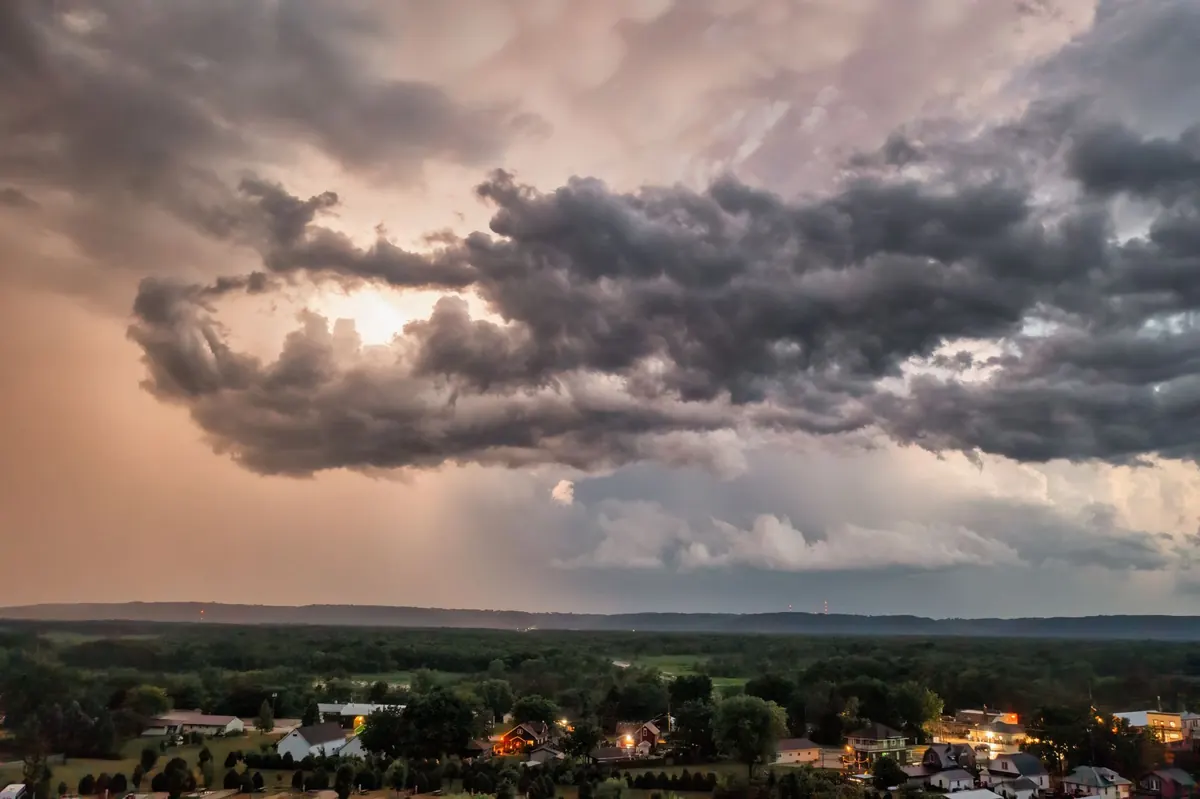
A yellow warning appears on the forecast map, your phone buzzes, and the group chat declares a snow day. Weather warnings are meant to cut through that noise, but they only work if you know what the colours are saying. The system is simpler than it looks, and reading one properly takes about a minute.
Yellow, amber and red are not a scale of how dramatic the weather will be. They are a scale of expected impact, and each colour comes with a different instruction.
Red warnings are rare. If you see one, it is not a forecast to argue with.
Impact depends on context, not just numbers. A 60mph gust in January, when trees are bare and the ground is firm, does far less damage than the same gust in July, when trees are in full leaf and catch the wind. Saturated ground makes trees much more likely to come down. Snow, then a quick thaw followed by heavy rain, matters more than any one of those on its own. This is why comparing warnings across seasons is misleading.
The colour is a headline. The detail underneath is where the useful information lives, and most people never read it. Check these in order:
It also helps to know that warnings balance likelihood against impact. A very likely but moderate event might only justify yellow; a less likely but potentially dangerous one can justify amber. So a yellow warning is not reassurance, and an amber warning is not a guess.
Yellow warnings are issued often, particularly for wind, rain, snow and ice between autumn and spring. They mean possible, not certain — so this is not the moment to cancel everything. It is the moment to do small things.
Do not treat yellow as "nothing will happen". Fallen trees, flooded underpasses and power cuts are all common under yellow warnings. They simply are not expected everywhere.
Amber is the colour most people underestimate. If a warning is upgraded to amber, ask one direct question: can this journey, appointment or trip be moved? Working from home, swapping a drive for a train that is still running, or postponing a long trip is almost always the sensible call.
At home, do the preparation before the weather arrives rather than during it. Clear gutters and drains if it is safe. Move cars away from trees and away from spots that flood. Keep away from the coast during coastal warnings — large waves are a genuine killer, and watching them is not worth the risk. Check on neighbours who live alone, and if you or someone you care for depends on mains power for medical equipment, speak to a GP or care team in advance about a plan for a power cut.
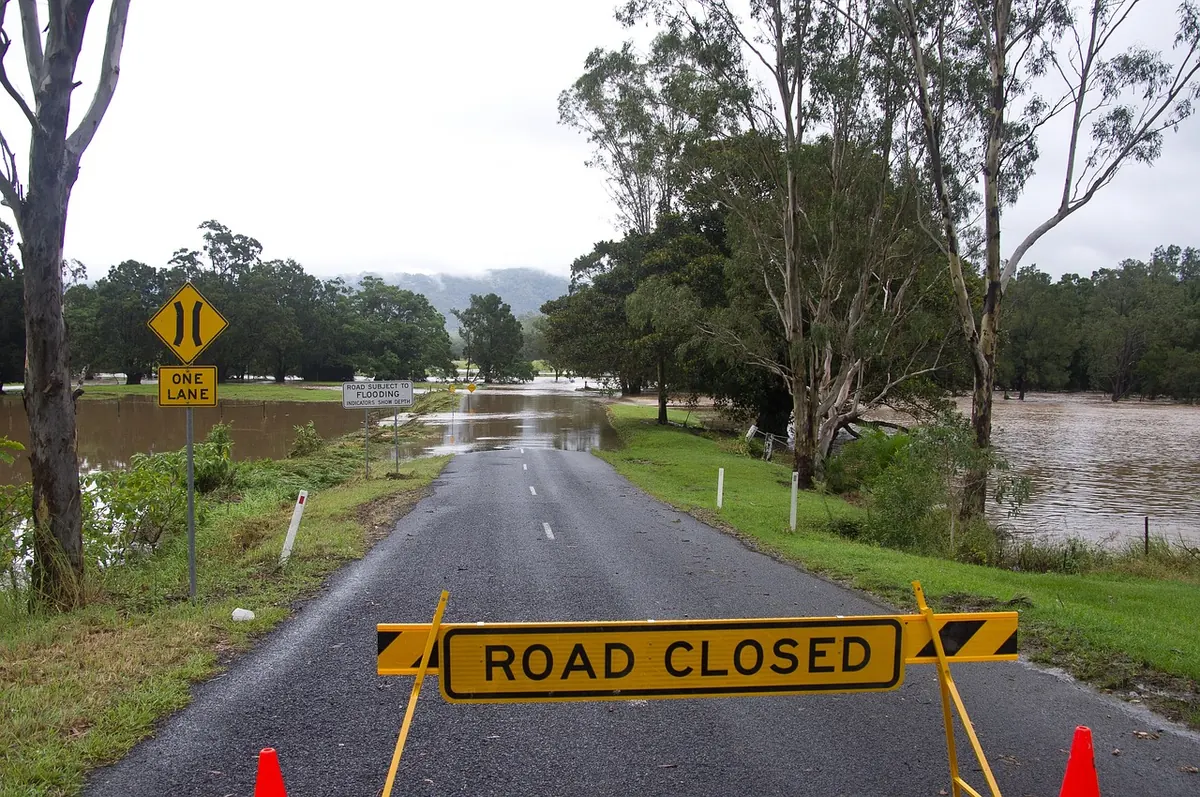
Red warnings are issued rarely, and only when the expected weather poses a serious threat to life. Travel is likely to be impossible or actively dangerous, and emergency services may not be able to reach you quickly. Stay indoors and away from windows if winds are severe. Do not go out to look at floods, waves or damage, and never drive through flood water — you cannot judge the depth or whether the road beneath is still there.
If you genuinely have to travel, tell someone your route and expected arrival time, and take water, a blanket, a charged phone and a full tank of fuel.
Some of the most important alerts come from other agencies, and they arrive alongside the colours rather than instead of them.
Next time one appears, run through this and then get on with your day.
Warnings are guidance, not a guarantee, and they are updated as the forecast firms up. Use them to make one good decision early, while you still have options. That is what they are for.
Photo: Tom Fisk / Pexels